Information Details
Youda insulation material manufacturer regularly updates insulation product information and company news to keep you informed of the latest developments and industry trends.
How Epoxy Sheet Compares with Polycarbonate and Acrylic Sheets
When industries evaluate high-performance materials for electrical insulation, structural reinforcement, or optical clarity, three contenders frequently emerge: epoxy sheet, polycarbonate sheet, and acrylic sheet. While each material has established applications, the unique performance of epoxy sheets—especially in heat resistance, dimensional stability, and long-term durability—makes them distinct. This article goes beyond generic comparisons and explores one defining aspect: thermal and structural resilience under demanding environments.

The Core Nature of Epoxy Sheet
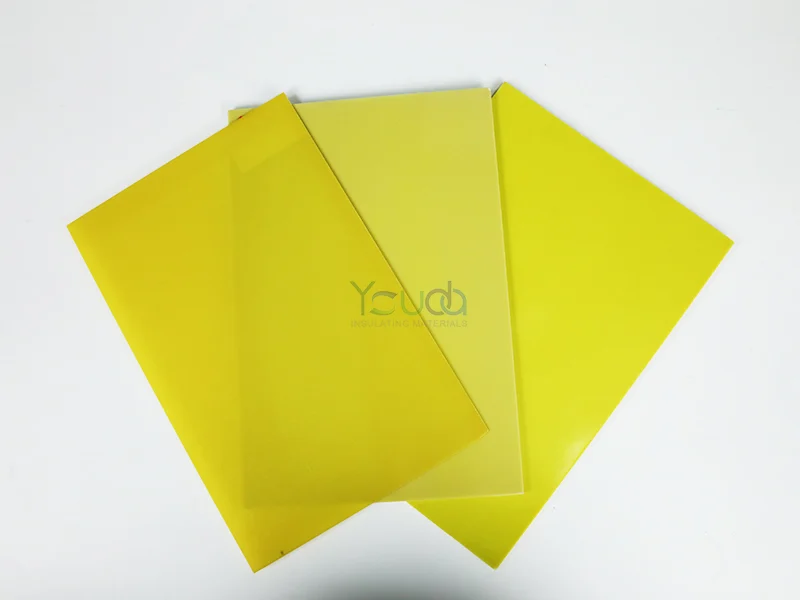
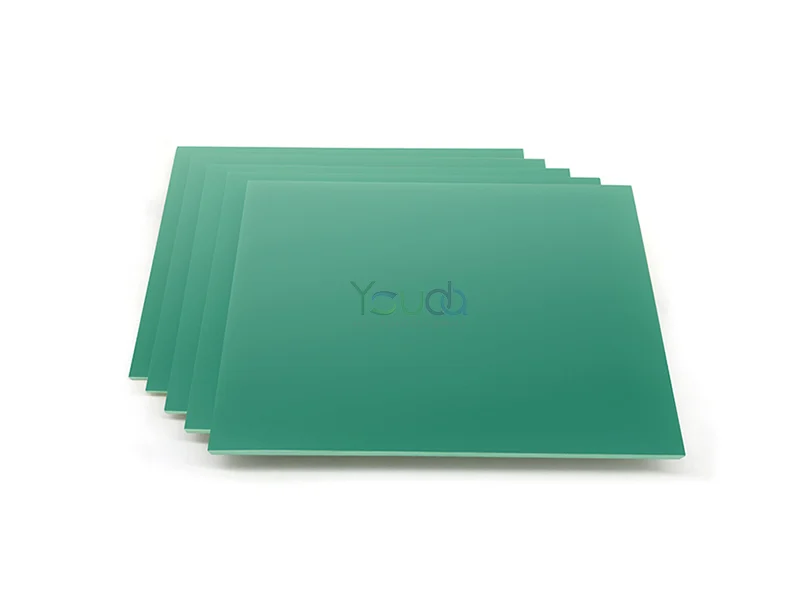
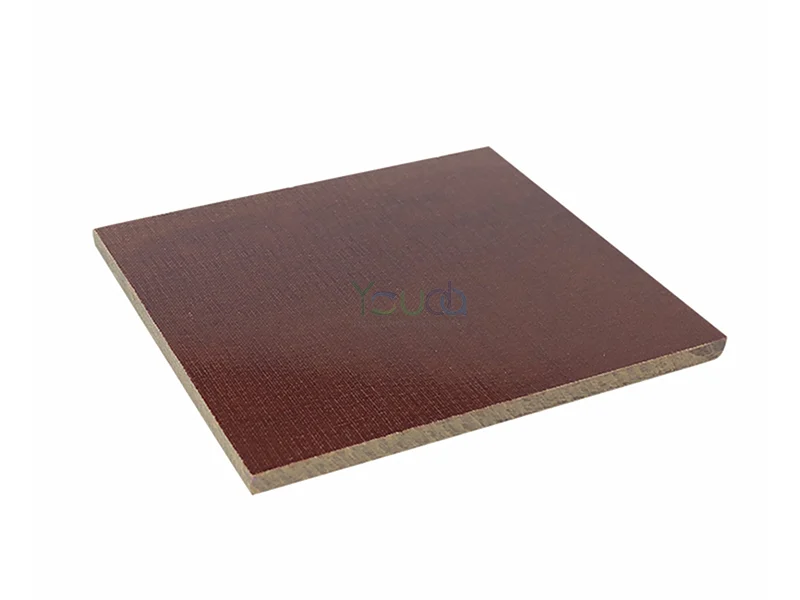
An epoxy sheet is produced by impregnating fiberglass cloth or similar substrates with epoxy resin and compressing it under heat. The result is a rigid, reinforced sheet with remarkable stability. Unlike thermoplastics such as polycarbonate and acrylic, which soften and deform when exposed to elevated temperatures, epoxy sheet belongs to the family of thermoset composites. Once cured, its cross-linked structure prevents re-melting or softening, making it ideal for electrical insulation, aerospace structures, and high-temperature tooling.
The keyword here is resilience. Epoxy sheet not only withstands higher temperatures but also resists mechanical creep, ensuring dimensional accuracy over time.
Polycarbonate Sheet: Strength with Flexibility
Polycarbonate sheets are renowned for impact resistance. They can withstand forces that would shatter glass or crack acrylic, making them a go-to choice for protective covers, machine guards, and architectural glazing. However, polycarbonate’s flexibility is a double-edged sword. Under continuous thermal or mechanical stress, it may warp or creep.
In comparison, an epoxy sheet maintains rigid dimensional stability. For industries requiring tight tolerances—such as printed circuit boards or transformer insulation—epoxy sheets are the superior option. While polycarbonate absorbs shocks better, it cannot match the thermal and structural precision of epoxy composites.

Acrylic Sheet: Optical Clarity but Limited Resistance
Acrylic sheets, often known as Plexiglas, excel in transparency. They provide crystal-clear visibility, outperforming both epoxy and polycarbonate in optical clarity. This makes acrylic indispensable in signage, aquariums, and decorative panels.
However, acrylic’s weakness lies in its brittleness and lower heat tolerance. Under moderate stress or elevated temperature, acrylic sheets tend to crack or deform. For electrical insulation or mechanical reinforcement, acrylic does not compete with epoxy sheet. The comparison here highlights a trade-off: acrylic dominates in aesthetics, while epoxy sheet prevails in functionality under stress.

Digging Deeper: Thermal Endurance as the Defining Factor
The most compelling distinction lies in thermal endurance. Consider the following comparative performance:
Epoxy Sheet: Operates reliably at continuous temperatures of 130°C–180°C depending on grade, withstanding even brief exposures beyond that range without catastrophic failure. Its thermoset matrix ensures stability under repeated heating cycles.
Polycarbonate Sheet: Begins to soften around 147°C (glass transition temperature) and is unsuitable for long-term applications above 120°C. Prolonged heat leads to deformation.
Acrylic Sheet: Softens at about 100°C, with structural integrity compromised even earlier under mechanical load.
This comparison illustrates why epoxy sheet is indispensable for electrical insulation systems, aerospace interior components, and high-load mechanical environments. In these settings, dimensional integrity and heat stability are non-negotiable.
Long-Term Structural Integrity
Durability is not just about surviving a single event; it is about maintaining form and function over years of service. Epoxy sheets resist moisture absorption, chemical exposure, and thermal cycling, ensuring that tolerances remain stable.
Polycarbonate may yellow or become brittle over time when exposed to UV radiation, even with stabilizers. Acrylic, while resistant to UV, struggles against impact and cyclic stress. Epoxy sheet, reinforced with fiberglass, does not suffer catastrophic brittle failure, making it a trustworthy choice for mission-critical engineering applications.
Electrical Performance: Where Epoxy Sheet Excels
A hidden but critical advantage of epoxy sheet is its dielectric strength. Polycarbonate and acrylic sheets are insulators, but their performance deteriorates under heat and moisture. Epoxy composites are engineered to deliver stable insulation resistance at high voltages and elevated temperatures.
This makes epoxy sheet the preferred material for:
Transformer insulation barriers
PCB substrates (in laminate form)
Motor slot liners
Aerospace avionics components
The ability to combine mechanical stability with electrical reliability creates a niche where polycarbonate and acrylic cannot compete.
Manufacturing Considerations and Customization
Another differentiator is how these sheets are fabricated:
Epoxy Sheet: Machinable with precision, supporting drilling, milling, and contouring without significant dimensional drift. Once cured, it maintains form, though it cannot be reshaped by heat.
Polycarbonate Sheet: Easily thermoformed, bent, and shaped. Flexibility during processing is its main advantage in design versatility.
Acrylic Sheet: Can be polished to optical clarity and thermoformed but is more prone to cracking under machining stress.
Thus, if the requirement is structural parts with high tolerances, epoxy sheet is the rational choice. If the requirement is design flexibility or aesthetics, polycarbonate and acrylic remain valid.
Sustainability and Lifecycle Perspective
With sustainability concerns shaping material selection, lifecycle performance becomes relevant. Although epoxy sheet is not recyclable in the conventional thermoplastic sense, its longevity and reduced replacement cycles mean fewer resources are consumed over time.
Polycarbonate and acrylic, while recyclable, may require frequent replacement in high-stress applications, leading to cumulative resource consumption. From a total lifecycle efficiency perspective, epoxy sheet often demonstrates a smaller footprint in industrial use.
Conclusion: Why Epoxy Sheet Holds Its Ground
When comparing epoxy sheet with polycarbonate and acrylic sheets, the distinction becomes clear:
Polycarbonate offers impact resistance and design flexibility.
Acrylic delivers superior optical clarity.
Epoxy sheet ensures thermal endurance, structural integrity, and electrical performance.
For industries where performance under heat, stress, and electrical load is critical, epoxy sheet outshines the alternatives. It may not be as optically appealing as acrylic or as flexible as polycarbonate, but when reliability matters most, epoxy sheet is the material of choice.
★★★ Recommended Reading:
Comparing Epoxy Sheet with Fiberglass Laminates: A Technical Guide
If you need detailed information about related products, you can let me know via online chat, email, WhatsApp, or any other method, and we will contact you on the same day to solve your problem.