Information Details
Youda insulation material manufacturer regularly updates insulation product information and company news to keep you informed of the latest developments and industry trends.
Fr4 Laminated Fiberglass vs Carbon Fiber
In the modern industrial and materials science landscape, selecting high-performance materials is crucial for determining product performance, durability, and cost-effectiveness. Among these, FR4 laminated fiberglass and carbon fiber stand out as two representative materials, each showcasing unique advantages across various sectors. This article delves into a detailed comparison of these two materials, examining their material properties, manufacturing processes, application domains, and cost-benefit analyses.
- Material Properties
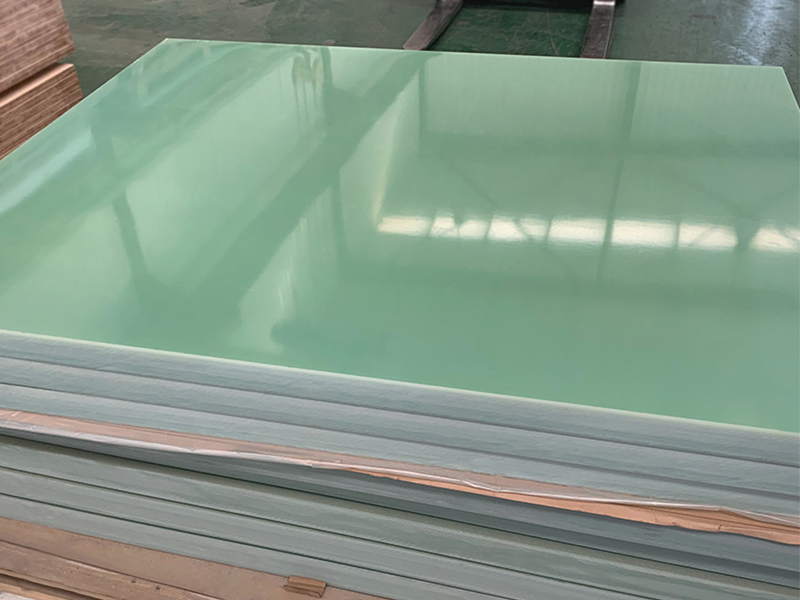
FR4 laminated fiberglass, also known as Flame Retardant 4, is a composite material consisting of epoxy resin and fiberglass cloth that undergoes a hot-pressing process. Its key properties include:
1. Excellent Insulation Properties: FR4 boasts high electrical insulation ratings, making it suitable for use as insulation layers in electronic devices, such as printed circuit board (PCB) substrates.
2. Superior Heat Resistance: FR4 maintains stable physical and chemical properties at elevated temperatures, catering to the demands of electronic components operating in high-temperature environments.
3. Good Mechanical Strength: The incorporation of fiberglass imparts FR4 with high bending strength and impact resistance, enabling it to withstand mechanical loads.
4. Ease of Processing: FR4 is readily cut, drilled, and shaped, facilitating the production of intricate components.
Carbon Fiber
Carbon fiber is a high-strength, high-modulus fiber material with a carbon content exceeding 90%. Its distinctive features encompass:
1. Extremely High Strength and Modulus: Carbon fiber surpasses traditional metals like aluminum in strength and modulus, making it ideal for crafting high-strength, lightweight products.
2. Outstanding Heat Resistance: Carbon fiber retains its mechanical properties at high temperatures, positioning it as a preferred material for extreme environments like aerospace applications.
3. Low Density: With a density significantly lower than metals, carbon fiber offers exceptional specific strength and specific modulus, facilitating product lightweight.
4. Excellent Corrosion and Fatigue Resistance: Carbon fiber exhibits remarkable resistance to various chemicals and environmental factors while enduring prolonged use without fatigue damage.
- Manufacturing Processes
Fr4 Laminated Fiberglass
The manufacturing of FR4 laminated fiberglass involves resin impregnation, cloth layer stacking, hot-press molding, and subsequent processing steps. Epoxy resin is uniformly applied to fiberglass cloth, which is then stacked in layers according to design specifications. Under high temperature and pressure, the resin cures and bonds tightly with the fiberglass, forming the composite material. Finally, cutting, drilling, and other techniques shape the material into the desired components.
Carbon Fiber
The production of carbon fiber is more intricate, encompassing precursor fiber preparation, oxidation stabilization, carbonization, and surface treatment. Precursor fibers, typically polyacrylonitrile (PAN) or pitch-based, undergo stabilization, high-temperature carbonization, and other processes to yield carbon fiber. To enhance bonding with matrix materials, surface treatment is applied. Carbon fiber products are often manufactured using resin transfer molding (RTM), vacuum-assisted resin transfer molding (VARTM), and other techniques to combine carbon fiber with resin matrices.
- Application Domains
Fr4 Laminated Fiberglass
Due to its superior insulation properties and mechanical strength, FR4 laminated fiberglass is extensively used in the electronics and electrical sectors, particularly as the base material for printed circuit boards (PCBs). It also finds applications in the fabrication of various electrical insulation components, electronic packaging materials, and insulation layers for motors, transformers, and other equipment.
Carbon Fiber
Carbon fiber’s exceptional strength, modulus, and low density have made it a staple in aerospace, automotive, sporting goods, wind power generation, and numerous other industries. In aerospace, carbon fiber composites are employed to construct aircraft fuselages, wings, tail sections, and other structural components, significantly reducing weight and enhancing flight performance. In automotive manufacturing, carbon fiber is utilized for body panels, chassis components, and other parts, contributing to vehicle lightweighting, improved fuel efficiency, and safety.
- Cost-Benefit Analysis
From a cost-benefit perspective, FR4 laminated fiberglass and carbon fiber present distinct advantages and disadvantages. FR4 offers a relatively low cost, with a mature manufacturing process suitable for large-scale production, making it competitive in mid-to-low-end markets like electronics. Conversely, carbon fiber, while offering superior performance, incurs higher manufacturing costs and poses greater processing challenges, positioning it primarily in high-end markets with stringent performance requirements.
In conclusion, FR4 laminated fiberglass and carbon fiber, as two distinct high-performance materials, exhibit notable differences in material properties, manufacturing processes, application domains, and cost-benefit profiles. The choice between these materials ultimately depends on the specific application.
If you need detailed information about related products, you can let me know via online chat, email, WhatsApp, or any other method, and we will contact you on the same day to solve your problem.