Information Details
Youda insulation material manufacturer regularly updates insulation product information and company news to keep you informed of the latest developments and industry trends.
GPO-3 Insulation Board Price Range and Key Cost Factors
For engineers, designers, and procurement managers, the cost of GPO-3 insulation board goes beyond price per kilogram—it’s about performance, compliance, and total value.
- What Is GPO-3 Insulation Board?
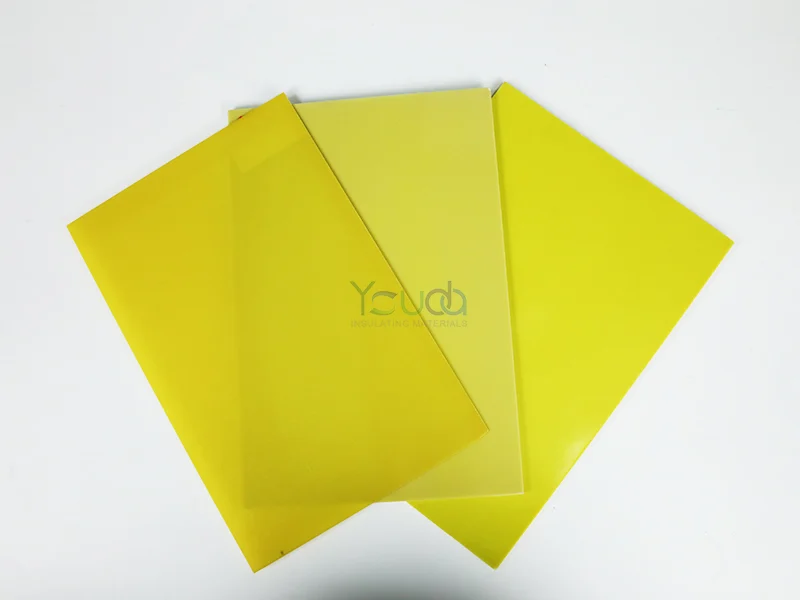
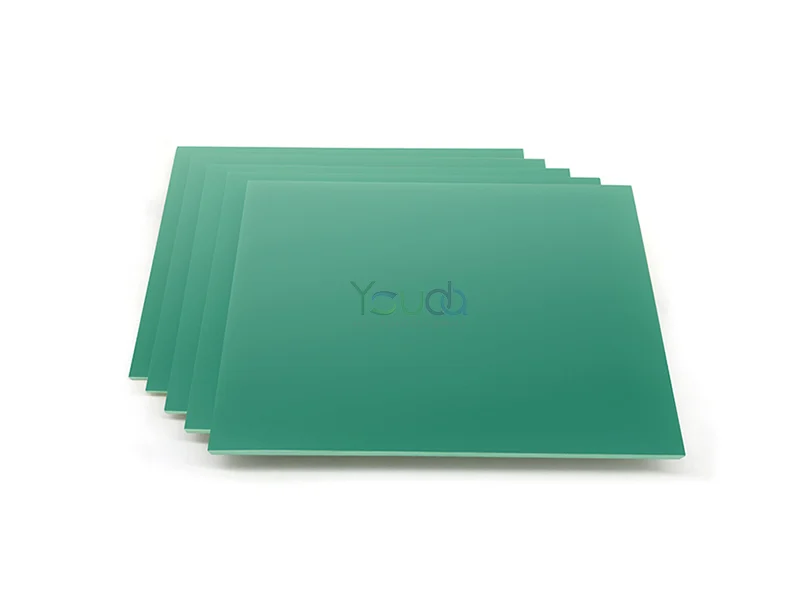
GPO-3 insulation board, made from unsaturated polyester resin and glass fiber mat, is a widely used electrical insulation material in switchgear, motors, and electric vehicles. Its price varies based on material grade, certification, and supply chain factors.
- GPO-3 Price Range in 2025
The global market price typically ranges from $3 to $10 per kg (¥20–¥70/kg). This variation reflects differences in performance, resin quality, and compliance standards.
Economy Grade ($3–$5/kg): Low cost, wider tolerances, limited certifications. Suitable for non-critical use.
Industrial Grade ($5–$7/kg): UL 94 V-0 certified, balanced dielectric and mechanical properties—most OEMs’ standard choice.
High-Performance Grade ($7–$10+/kg): Premium resin (isophthalic), CTI up to 600V, precise tolerances, industry-specific certifications.
- Key Cost Drivers for GPO-3 Insulation Boards
1. Material Composition
Resin system: orthophthalic (cost-effective) vs. isophthalic (better thermal & chemical resistance).
Glass fiber reinforcement: higher grammage = better strength, higher cost.
Additives: ATH flame retardants and halogen-free systems raise price but enable UL 94 V-0 and high CTI ratings.
2. Performance and Tolerances
Tight thickness tolerance (±0.1mm vs ±0.3mm) = higher production cost.
High dielectric strength, arc resistance (>180s), and CTI ratings demand premium formulations.
3. Certifications and Compliance
UL certification ensures credibility and global market access.
Industry approvals (rail, automotive, aerospace) require extra investment.
Compliance with RoHS, REACH, and halogen-free standards raises cost but is essential for exports.
4. Order Volume and Logistics
Larger orders lower unit cost.
Logistics, Incoterms (FOB, CIF, DAP), and supplier location impact landed cost.
Long-term partnerships can provide better technical support and stable pricing.
5. Global Market Dynamics
Raw material prices fluctuate with petrochemical and fiberglass markets.
Growing demand from EVs and renewable energy increases competition.
Trade policies and tariffs affect sourcing decisions.
- Strategic Sourcing Tips for Buyers
1.Define technical needs clearly to avoid overpaying.
2.Verify UL file numbers and test reports (CTI 600V, density 1.81–1.83 g/cm³).
3.Evaluate total landed cost, not just ex-works price.
4.Consider machinability—boards that cut cleanly reduce waste and labor costs.
- Conclusion
The price of GPO-3 insulation board is shaped by materials, certifications, and performance—not just raw cost. Chasing the cheapest option can lead to hidden risks such as failures, delays, and compliance issues.
Smart buyers optimize value: sourcing certified, application-ready boards that ensure long-term reliability and predictable total cost of ownership.
★ Recommended Reading:
Why GPO-3 Insulation Board Is the Preferred Choice for High-Voltage Electrical Equipment
If you need detailed information about related products, you can let me know via online chat, email, WhatsApp, or any other method, and we will contact you on the same day to solve your problem.